What Is Custom Converting? An overview for Manufacturers, Designers & Engineers

What Is Custom Converting?

Custom converting is the process of transforming raw materials—like foam, felt, rubber, nonwoven fabrics, and adhesive-backed substrates—into precise components that meet specific shape, size, and performance requirements. From gaskets and filter pads to packaging inserts and assembly components, converting brings material solutions to life for a range of industries.

At Dott Products, we’re a vertically integrated custom converter, which means we handle the entire process in-house—from material sourcing and design to cutting, laminating, and packaging. This full-service approach leads to faster turnarounds, greater control over quality, and increased flexibility for prototyping and production.

Our Core Converting Capabilities

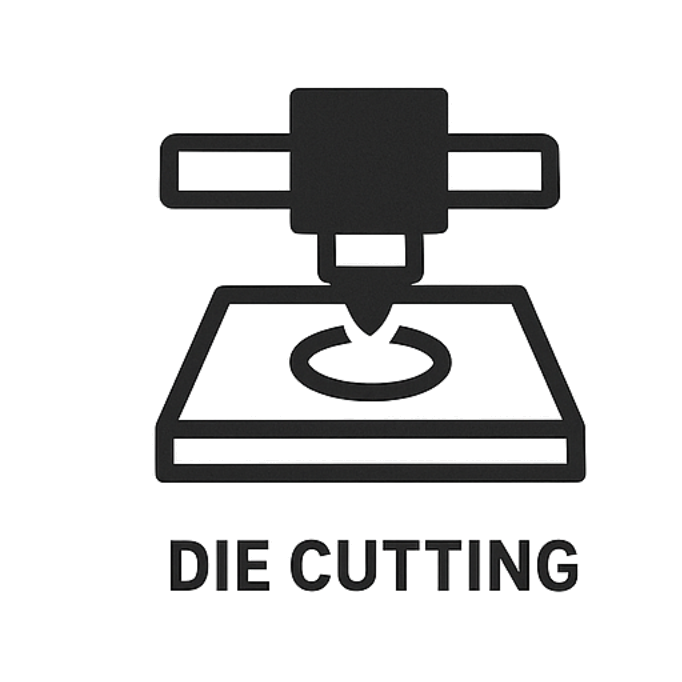
  • Die Cutting: Flatbed and rotary options for high precision and high-volume production.
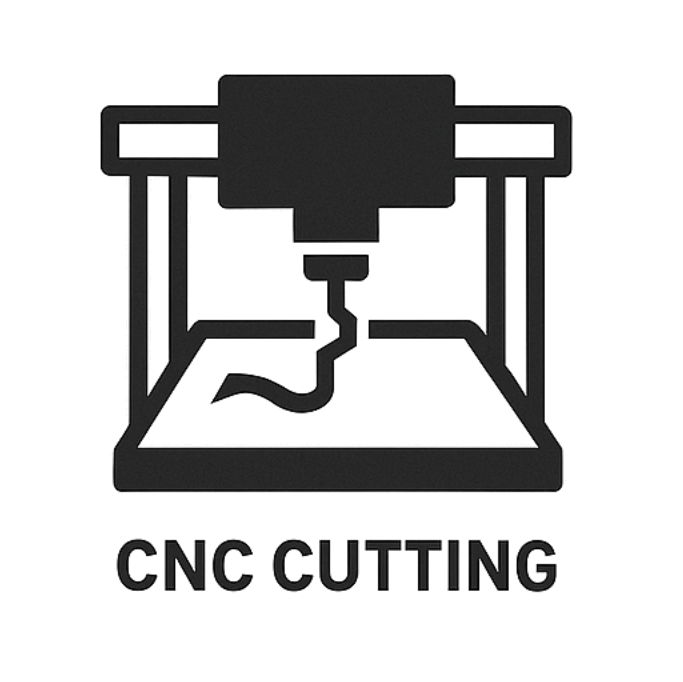
  • CNC Cutting: Ideal for complex shapes, tight tolerances, and short-run production.
  • Laminating: Bonding multiple materials or adhesives for performance or assembly ease.
  • Slitting: Cutting wide rolls into narrow widths for spooling or further processing.
  • Assembly & Kitting: Creating multi-component assemblies or packaging kits.
  • Prototyping: Rapid testing and development for new product designs.

Why Choose a Custom Converter Like Dott?

Choosing Dott Products gives you access to decades of experience, deep material knowledge, and flexible manufacturing solutions tailored to your exact needs. Rather than adapting your design to standard parts, we help you create parts that work better, perform longer, and integrate seamlessly into your final product.
Custom Converting and American Manufacturing

As reshoring trends continue to grow in the American manufacturing landscape, companies are seeking local partners who can support quick-turn production without sacrificing quality. Dott Products is proud to be a U.S.-based custom converter supporting a wide range of industries, from medical and filtration to packaging and OEM manufacturing. Our domestic operations ensure shorter lead times, better communication, and fewer supply chain risks.

In an era where responsiveness and reliability are key, working with a U.S.-based converter means you’re not dependent on overseas logistics, delays, or inconsistent standards. We provide the flexibility and accountability that large offshore converters often lack—making us an ideal partner for growing product lines, fast-moving startups, or established manufacturers looking to streamline operations.

Custom converting also supports sustainability by reducing waste and enabling more efficient use of materials. At Dott, we help optimize material yields and packaging design to cut costs and environmental impact. Whether you're designing a custom foam insert for retail packaging or prototyping a new filtration system, our team works to deliver lean, scalable solutions with measurable ROI.

Conclusion

Whether you're designing a new medical device, packaging a product for retail, or upgrading filtration systems, custom converting unlocks design freedom and functionality. Partnering with a U.S.-based converter like Dott gives your business the speed, control, and technical expertise needed to succeed in today’s competitive manufacturing environment.
 

Most Recent

What Is Custom Converting? An overview for Manufacturers, Designers & Engineers

Posted By Dott Products
September 23, 2025 Category: General

What Is Custom Converting? Custom converting is the process of transforming raw materials—like foam, felt, rubber, nonwoven fabrics, and adhesive-backed substrates—into precise components that meet specific shape, size, and performance requirements. From gaskets and filter pads to packaging inserts and assembly components, converting brings material solutions to life for a range of industries. At Dott Products, we’re a vertically integrated custom converter, which means we handle the entire process in-house—from material sourcing and design to cutting, laminating, and packaging. This full-service approach leads to faster turnarounds, greater control over quality, and increased flexibility for prototyping and production. Our Core Converting Capabilities Die Cutting: Flatbed and rotary options for high precision and high-volume production. CNC Cutting: Ideal for complex shapes, tight tolerances, and short-run production. Laminating: Bonding multiple materials or adhesives for performance or assembly ease. Slitting: Cutting wide rolls into narrow widths for spooling or further processing. Assembly & Kitting: Creating multi-component assemblies or packaging kits. Prototyping: Rapid testing and development for new product designs. Why Choose a Custom Converter Like Dott? Choosing Dott Products gives you access to decades of experience, deep material knowledge, and flexible manufacturing solutions tailored to your exact needs. Rather than adaptin

Choosing the Right Material for Your Gasket, Insert, or Filter: Foam vs. Felt vs. Nonwoven

Posted By Dott Products
September 23, 2025 Category: General

When it comes to performance-critical components like gaskets, filters, and inserts, material selection is everything. At Dott Products, we work with a wide range of industrial substrates—helping customers choose the right material for their specific sealing, filtering, or cushioning needs. In this post, we’ll break down three of the most common materials we convert: foam, felt, and nonwovens. Material Types Overview Foam: Flexible, lightweight, and available in a variety of open- and closed-cell configurations, foam is widely used in gasketing, insulation, and packaging applications. Urethane, polyurethane, polyethylene, and EVA foams each offer unique compression, rebound, and resistance properties. Felt: Known for its durability and density, felt is often used in noise dampening, vibration control, and filtration. Industrial felt can be made from natural fibers like wool or synthetic blends and offers excellent wear resistance in high-friction environments. Nonwoven Materials: Made by bonding fibers together through chemical, mechanical, or thermal processes, nonwovens offer uniformity and flexibility. These materials are especially common in air and liquid filtration, medical components, and disposable consumer products. Choosing Based on Application The key to successful material selection is aligning your choice with the function of the part: Sealing: Closed-cell foam offers excellent resistance to moisture and air penetration. Filtering: Nonwoven po

Categories
General (2)

Dott Products

Dott Products is the place to go when you need premium quality foam, non-woven, and plastic products including standard and custom projects.

I am Looking For...


You've come to the right place.

Get in Touch
© , Dott Products, Powered by VirteomVirteom Logo